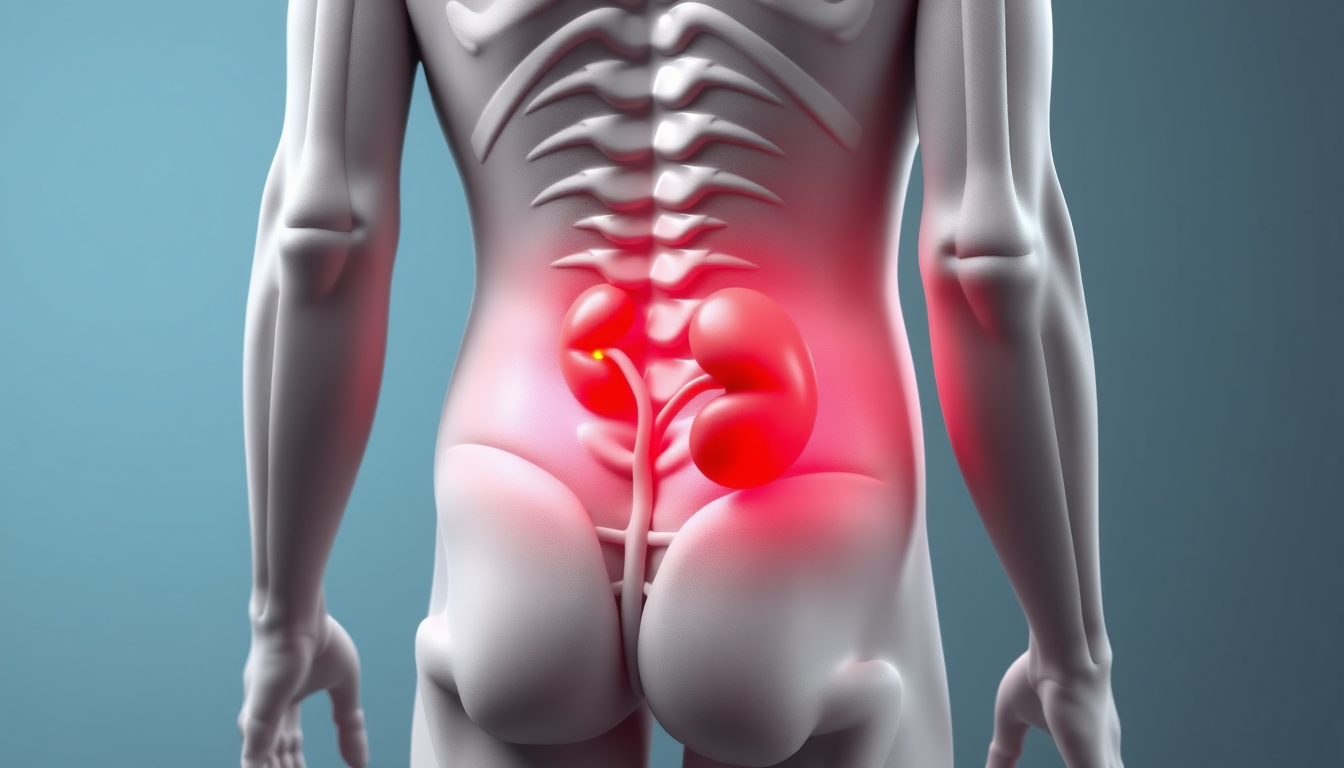

If you’ve ever shifted wrong lifting a heavy box, or woke up with a dull ache creeping up your lower left back, you know how unsettling it can feel. The tricky part is that the same spot can hurt for completely different reasons—from a simple muscle strain to something that deserves closer attention, like a kidney issue. This guide walks you through how to tell the difference, what red flags actually matter, and which moves actually help.
Common Causes: Muscle strain, sciatica, herniated disc ·
Red Flags Counted: 5 signs for emergency ·
Kidney Signs: 5 indicators of poor function ·
Key Exercises: McGill Big 3 ·
Top Treatments: Ice, heat, home care
Quick snapshot
- Muscle strain causes most lower back pain (GoodRx health platform)
- Kidney pain sits deeper, near the rib cage (Nortex Spine and Joint medical clinic)
- 8 in 10 people experience back pain at some point (GoodRx health platform)
- Exact cause without physical examination
- Whether gender differences affect left-side prevalence
- How pregnancy specifically shifts left-side pain patterns
- Kidney pain: below rib cage, constant, doesn’t shift with movement (Moffitt Cancer Center research institution)
- Muscle pain: lower back, worsens with bending or lifting (GoodRx health platform)
- Sharp radiating waves suggest stones (Nortex Spine and Joint medical clinic)
- Match symptoms to cause using the checklist below
- Apply ice or heat based on pain type
- Seek care if any red flag symptoms appear
Key facts at a glance
The table below summarizes the primary distinguishing features health professionals use when assessing lower left back pain.
| Label | Value |
|---|---|
| Most Frequent Cause | Muscle strain or sprain |
| Serious Mimic | Kidney infection or stones |
| Emergency Flags | 5 red flags including fever |
| Relief Methods | Ice, heat, exercises |
Why do I have pain in my lower left back?
Lower left back pain usually stems from the musculoskeletal system—muscles, ligaments, joints, or spinal structures in that region. The most common cause is a muscle strain, often from lifting something heavy, poor posture, or sudden awkward movement. Several other conditions can also produce pain in this exact location, and distinguishing them starts with understanding how each one behaves.
Muscle strain or sprain
A muscle strain happens when muscle fibers tear from overstretching or overexertion. A sprain affects ligaments. Both cause pain that typically worsens with movement and improves with rest. The lower left back is a common site because the lumbar region bears significant stress during daily activities.
Back pain from heavy lifting, poor posture, or standing too long ranks among the top triggers, according to Medical News Today health information site. This type of pain often feels sore or stiff and may radiate slightly, but it generally responds well to rest and gentle movement.
Sciatica
Sciatica occurs when the sciatic nerve—running from the lower spine down each leg—becomes compressed or irritated. Pain typically shoots down one side of the body, affecting the buttock, thigh, and sometimes the lower leg. Tingling, numbness, or weakness often accompany the pain.
Unlike general muscle soreness, sciatica may worsen with sitting and sometimes responds to stretching or nerve mobilization techniques. The condition is a frequent culprit behind lower back pain that extends toward the left hip and leg.
Herniated disc
A herniated disc occurs when the soft cushion between vertebrae pushes out and presses on nearby nerves. This can cause sharp, stabbing pain in the lower back that may travel down a leg. Rest often helps initially, but the pain can return with certain movements or prolonged sitting.
Lower back pain from ruptured discs, arthritis, or osteoporosis affects the structural integrity of the spine, according to Moffitt Cancer Center research institution. Imaging typically confirms a herniated disc, making it a more identifiable cause when symptoms persist despite conservative care.
Osteoarthritis
Osteoarthritis in the spine’s facet joints can cause chronic aching in the lower back, often worsening with activity and improving with rest. Morning stiffness that eases within 30 minutes is a hallmark sign. The condition results from cartilage breakdown over time and is more common in older adults.
Kidney infection
A kidney infection, or pyelonephritis, causes a deep, persistent ache in the flank area that may be felt on one or both sides. Accompanying symptoms typically include fever, fatigue, and urinary changes such as burning during urination or cloudy urine.
Kidney infections cause severe back pain with fever, chills, and urinary symptoms, according to ANCMN health site. This is a serious condition that usually requires prompt antibiotic treatment.
Kidney stones
Kidney stones produce sharp, severe waves of pain that often begin in the back and radiate toward the lower abdomen or groin. The pain comes in waves rather than remaining constant and may be accompanied by blood in the urine.
Kidney stones cause sharp severe pain moving from back to lower abdomen, according to Nortex Spine and Joint medical clinic. Stones may pass on their own with hydration, but larger ones often require medical intervention.
Pancreatitis
Pancreatitis—inflammation of the pancreas—can cause pain that radiates to the back, including the lower left side. This condition typically presents with severe abdominal pain, nausea, and vomiting, often after eating fatty foods or drinking alcohol.
Endometriosis
In people assigned female at birth, endometriosis can cause painful lesions on the left side of the pelvis that feel like deep lower back pain. The pain often coincides with the menstrual cycle and may worsen during intercourse or bowel movements.
How to know if lower left back pain is kidneys?
The kidneys sit higher than most people expect—below the rib cage on either side of the spine. Kidney pain typically originates from the flank area, closer to the ribs than to the actual lower back. This anatomical distinction matters when trying to figure out whether your pain is kidney-related or musculoskeletal.
Kidney pain location
Kidney pain occurs on one or both sides below the rib cage, according to Medical News Today health information site. The kidneys are positioned toward the back of the body, deep inside, which is why the discomfort feels more internal than surface-level muscle pain.
Kidney pain in the flank does not worsen or improve with movement, which contrasts sharply with muscle strain pain that shifts with position or activity, according to Moffitt Cancer Center research institution. This is one of the most reliable ways to tell the difference at home.
Accompanying symptoms
Kidney pain frequently comes with additional symptoms outside the back itself. Nausea, vomiting, fever, and chills often accompany kidney infections or stones. Urinary changes—such as increased frequency, burning during urination, cloudy urine, or blood in the urine—provide strong clues that the kidneys are involved.
Back pain has no accompanying symptoms aside from pain itself; kidney pain has nausea, fever, and urinary or bowel issues, according to Durham Nephrology kidney specialty clinic. When additional symptoms cluster together with back pain, the kidneys deserve consideration.
Kidney infection signs
A kidney infection typically begins as a urinary tract infection that spreads upward. Signs include fever above 101°F, chills, nausea, and pain in the lower back or side. Urine may appear dark, cloudy, or bloody, and urination often becomes painful or urgently frequent.
Kidney pain from a UTI with burning urination, frequent urination, and cloudy urine requires treatment with antibiotics, according to DC Urology urology practice. Ignoring these symptoms can lead to serious complications, including sepsis.
Kidney pain lives higher in the body than most lower backaches. When your back hurts below the hip line and shifts with movement, think muscle. When pain sits under the ribs, refuses to move with you, and brings fever or urinary changes, think kidneys—and seek care.
How to tell if back pain is muscle or organ?
Distinguishing between muscle pain and organ-related pain requires looking at several factors simultaneously: where the pain starts, how it behaves, and what—if anything—comes along with it. Neither single factor is definitive, but patterns emerge when you consider them together.
Muscle pain characteristics
Muscle-related back pain typically worsens with specific movements—bending forward, lifting, twisting, or standing for long periods. Pressing on the painful area usually causes tenderness. Rest, ice, heat, or gentle stretching often brings noticeable relief within days.
Back pain worsens with movement, bending, or lifting, while kidney pain is often constant and unaffected by movement, according to Nortex Spine and Joint medical clinic. This movement sensitivity is the clearest sign pointing toward a muscular or spinal source.
Most back pain improves with rest and stretching; kidney pain does not, according to GoodRx health platform. If lying down or changing position brings relief, your pain is more likely musculoskeletal.
Organ pain differences
Organ-related pain—particularly from the kidneys—tends to be constant, deep, and unaffected by position changes. It may feel like a dull ache or pressure in the flank area rather than a sharp localized pain. Movement doesn’t aggravate it, but it also doesn’t make it better.
Kidney stones cause waves of sharp pain in the back, sides, and groin, according to DC Urology urology practice. This radiating, wave-like quality differs from the localized, position-dependent pain of a pulled muscle.
Kidney pain with burning urination and blood in urine indicates kidney stones, according to Hartford Hospital medical center. These urinary symptoms rarely accompany muscle strain and should prompt medical evaluation.
Left-side specifics
Pain isolated to the lower left back specifically narrows the field of possibilities. Left-sided muscle strain is common in right-handed people who overcompensate during heavy lifting. Left kidney pain is less common than right kidney pain anatomically but still possible with infection or stone formation on that side.
Dull low back pain is more likely a muscle pull or spinal issue, not kidneys, which sit higher, according to DC Urology urology practice. When pain genuinely sits in the lower back rather than under the ribs, the kidneys become less likely suspects.
Red flags accompanying back pain—fever, nausea, urinary changes, weakness, or blood in urine—shift the picture significantly. Most muscle strains improve within a week or two without additional symptoms. When new symptoms pile on, consider kidney involvement.
When should I worry about left side back pain?
Most lower back pain resolves on its own with conservative care—rest, ice, heat, and gentle movement. However, certain signs indicate something more serious may be happening. These red flags deserve prompt medical attention, not home treatment alone.
5 red flags
Medical guidelines identify five symptoms that warrant urgent evaluation when they accompany back pain:
- Numbness or weakness in the legs: This can signal nerve compression or spinal cord involvement.
- Fever or chills: Often indicates infection, potentially in the kidneys.
- Nausea or vomiting: May accompany kidney infection, stones, or other serious conditions.
- Painful urination: Points toward urinary tract infection spreading to the kidneys.
- Dark or bloody urine: Suggests kidney stones, infection, or other renal pathology.
Red flags for serious back pain include weakness or numbness in the legs, fever or chills, nausea or vomiting, painful urination, and dark or bloody urine, according to GoodRx health platform. These symptoms should prompt immediate medical evaluation rather than home management.
Emergency signs
Certain combinations of symptoms demand emergency care. Back pain with high fever (above 103°F), uncontrolled vomiting, inability to urinate, or sudden leg weakness with loss of bowel or bladder control require calling 911 or going to an emergency department immediately.
Get medical attention for back pain with fever, chills, nausea, vomiting, or painful urination, according to GoodRx health platform. These combinations often indicate kidney infection or other conditions requiring hospitalization or aggressive treatment.
Chronic indicators
Back pain persisting beyond six weeks despite conservative treatment deserves professional evaluation. Chronic pain that interrupts sleep, worsens at night, or occurs alongside unexplained weight loss may indicate an underlying condition requiring imaging or specialized testing.
When lower back pain lasts more than a few weeks without improvement, or when it recurs frequently, Medical News Today health information site recommends consulting a healthcare provider for proper diagnosis. Imaging studies like MRI or CT scans can identify structural problems that don’t show up on X-rays.
What are effective lower left back pain exercises?
Exercise and movement are cornerstones of lower back pain recovery, but the wrong exercises can worsen certain conditions. The approach varies depending on whether your pain is muscular or kidney-related, so confirming the cause before starting an exercise program matters more than jumping in.
McGill Big 3
The McGill Big 3 are three evidence-based exercises developed by spine researcher Dr. Stuart McGill specifically for people with chronic lower back pain. These movements stabilize the spine rather than stretching it, making them suitable for many types of back pain without aggravating underlying disc or joint issues.
- Modified curl-up: Lie on your back with one knee bent, place hands under the small of your back, and gently raise your head and shoulders while keeping the low back pressed to the floor. Hold for 10 seconds, repeat 8-10 times.
- Side plank: Lie on your side with legs stacked, prop yourself up on your forearm, and hold your body in a straight line for 8-10 seconds. Repeat 3-5 times each side.
- Bird dog: Start on hands and knees, extend opposite arm and leg simultaneously, hold for 2-3 seconds, and return. Repeat 8-10 times each side, keeping your back flat throughout.
These three exercises form a core stabilization program that protects the spine during daily activities, according to rehabilitation research. They work by strengthening the muscles that control spine position rather than simply stretching tight structures.
Home stretches
Gentle stretching helps release tight muscles that contribute to lower back pain. Key stretches for the lower left back include knee-to-chest pulls, gentle spinal rotations while lying down, and cat-cow movements that mobilize the entire back.
Perform these stretches slowly, stopping when you feel tension but not pain. Hold each stretch for 20-30 seconds and repeat 2-3 times. Avoid bouncing or forcing any movement beyond comfortable range. Ice or heat before stretching can help prepare tissues for movement.
Strengthening moves
Beyond the McGill Big 3, several strengthening exercises support lower back recovery. Glute bridges, clamshells, and hip abductor exercises build strength in the hips and pelvis, which reduces strain on the lower back during walking, standing, and lifting.
Start with body weight or very light resistance and progress gradually. Any exercise that causes sharp pain or significant discomfort should stop immediately. When in doubt, work with a physical therapist who can tailor an exercise program to your specific condition.
Most back pain improves with targeted movement, but kidney-related pain doesn’t respond to exercise the same way. If your pain doesn’t change with movement and comes with fever or urinary symptoms, skip the exercises and seek medical evaluation first.
Muscle pain vs. kidney pain comparison
The comparison below organizes the key distinguishing factors into a single reference table.
| Factor | Muscle / Spine Pain | Kidney Pain |
|---|---|---|
| Location | Lower back, near hips | Below ribs, flank area |
| Movement effect | Worsens with bending, lifting, twisting | Constant; doesn’t change with position |
| Pain type | Dull ache, stiffness, may radiate to leg | Deep constant ache or sharp waves (stones) |
| Response to rest | Often improves with rest and gentle movement | Does not improve with rest |
| Urinary symptoms | None | Burning, frequency, blood, or cloudy urine |
| Systemic symptoms | None typically | Fever, chills, nausea, fatigue |
Kidney pain from infections or stones creates a distinctly different symptom cluster than muscular pain. The table above summarizes the primary distinguishing features health professionals use during assessment, according to Nortex Spine and Joint medical clinic.
Movement sensitivity points toward muscle. Systemic symptoms—fever, nausea, urinary changes—point toward kidney involvement. When both categories overlap or remain unclear, a healthcare provider’s evaluation settles the question.
Steps for managing lower left back pain at home
After ruling out kidney involvement or other serious causes, a structured home care approach handles most muscle-related lower left back pain episodes effectively. The steps below proceed in order, moving to the next only if the current one provides insufficient relief.
- Rest initially (1-2 days): Avoid activities that aggravate the pain, especially heavy lifting and prolonged standing. Complete bed rest is not recommended—gentle movement helps prevent stiffness.
- Apply ice (first 48 hours): Ice reduces inflammation and numbs pain. Apply an ice pack wrapped in cloth for 20 minutes on, 20 minutes off. Never apply ice directly to skin.
- Switch to heat (after 48 hours): Heat increases blood flow and relaxes muscles. Use a heating pad or warm compress for 20 minutes at a time. Heat is generally more helpful for chronic or persistent muscle stiffness.
- Try over-the-counter pain relief: NSAIDs like ibuprofen or naproxen reduce inflammation and pain. Follow package directions and consult a doctor if you have stomach, kidney, or heart conditions.
- Begin gentle movement: After 1-2 days of rest, start walking short distances and performing the McGill Big 3 or gentle stretches. Movement supports healing but should not cause sharp pain.
- Apply ongoing self-care: Maintain good posture, use proper lifting technique, and continue targeted exercises to prevent recurrence. Weight management and regular activity also reduce future episodes.
Most back pain improves significantly within 1-2 weeks with this approach. If pain persists beyond two weeks, worsens, or develops red flag symptoms, medical evaluation becomes necessary.
“Around 8 in 10 people will have back pain at some point in their lives.”
— GoodRx health platform
“Back pain worsens with movement, bending, or lifting. Kidney pain is often constant and unaffected by movement.”
— Nortex Spine and Joint medical clinic
“Kidney stones cause waves of sharp pain in the back, sides, and groin.”
— DC Urology urology practice
“Get medical attention if you have back pain with fever, vomiting, or changes in urine—these could be caused by kidney problems.”
— GoodRx health platform
These four perspectives from credible health sources underscore the same message: back pain is extremely common and usually manageable at home, but when symptoms expand beyond localized pain—particularly with fever, vomiting, or urinary changes—the kidneys warrant investigation. The distinction between muscle and organ pain is not subtle when you know what to look for, and recognizing the difference can prevent unnecessary worry or, conversely, a missed serious diagnosis.
Related reading: Age Blood Pressure Chart · When Does Menopause Start
Lower left back pain frequently stems from lower back pain causes such as muscle strains or kidney issues, helping you spot when to seek urgent care.
Frequently asked questions
What causes left lower back pain in females?
Left lower back pain in females can stem from the same causes as in males—muscle strain, herniated disc, sciatica—but additional possibilities include endometriosis (where tissue similar to uterine lining grows outside the uterus, often causing pain on one side), pregnancy-related hormonal changes and weight shifts, and ovarian cysts. Gender-specific causes often correlate with menstrual cycles or reproductive anatomy.
What causes lower left side back pain in males?
In males, lower left side back pain typically results from muscle strains related to physical activity, heavy lifting, or prolonged sitting. Herniated discs, kidney stones (which affect both sexes), and sciatica are also common causes. Males may be slightly more likely to develop lower back pain from occupational physical demands, though the gender difference is modest compared to the overall prevalence in the general population.
Is lower left back pain common in pregnancy?
Lower back pain is very common during pregnancy, affecting up to 70% of pregnant people according to some estimates. Hormonal changes relax ligaments in the pelvis, shifting balance and placing new strain on the lower back. As the uterus expands, it shifts the center of gravity forward, often increasing left-side or right-side back pain depending on the baby’s position. Pregnancy-related back pain typically responds to prenatal yoga, supportive footwear, and physical therapy.
What is lower left back pain treatment at home?
Home treatment includes ice during the first 48 hours followed by heat, over-the-counter NSAIDs for inflammation and pain, gentle stretching and the McGill Big 3 exercises, maintaining activity levels without aggravating movements, and proper posture during sitting and lifting. If home treatment doesn’t produce improvement within two weeks or red flag symptoms develop, professional evaluation is needed.
What causes lower back pain left side above hip?
Lower back pain above the hip on the left side often originates from the quadratus lumborum muscle (a deep back muscle), sacroiliac joint irritation, hip joint problems, or referred pain from the digestive system. Muscle strains in this area frequently result from asymmetrical movement patterns, uneven footwear, or sleeping on one side. Kidney pain can also localize to this region, particularly if kidney stones are present.
What are 5 signs your kidneys are not working properly?
Five signs that may indicate kidney dysfunction include: changes in urination frequency or urgency, blood or foam in urine, swelling in the feet, ankles, or around the eyes from fluid retention, unexplained fatigue or difficulty concentrating, and persistent lower back or side pain below the rib cage. These signs warrant medical evaluation including blood tests and urinalysis.
What is the Big 3 for lower back pain?
The McGill Big 3 refers to three exercises developed by spine biomechanist Dr. Stuart McGill: the modified curl-up, side plank, and bird dog. These exercises stabilize the spine by strengthening core musculature without loading the discs. They are widely used in rehabilitation settings and have research support for reducing chronic lower back pain recurrence when performed consistently.
Related stories





Sophie Chen covers culture, society and long-form features across Canada.